Key Takeaways:
-
Seniors are commonly targeted by scammers looking to steal their benefits, savings, and investments.
-
Common elder scams include Medicare, Social Security, investment, phishing, romance, and grandparent scams.
-
Scammers often create an urgency or fear to pressure seniors into sharing their personal information, sending money, or making financial decisions without taking time to verify the request.
-
Various data protection measures can help seniors keep their personal and financial information secure.
-
Fero Financial can help seniors make informed financial decisions, manage their assets, and take proactive steps toward protecting their financial well-being.
Scams that target seniors continue to be a growing problem, with millions falling victim every year. Know the common signs that signal trickery and what to do if you or a loved one is being scammed.
Over two million elderly people fall victim to senior scams every year. The elderly population has long been a target of fraud for many reasons. For one, many are trusting and may have declining cognition due to health issues. Scammers also know many of these people have retirement accounts with money to spare or, conversely, are on a budget and likely to jump at a chance at a windfall.
Experts believe, however, that many more elder scams go unreported. Some may not realize the fraud until a family member or caregiver steps in. Others are embarrassed when they discover they have been duped, so they hide what happened. The median amount lost by victims over 80 years old in financial scams is $1,700.
Many types of scams target the elderly, and awareness is the first step in protecting yourself or loved ones. Here are some of the most common senior scams and tips for combating them.
Common Scams Targeting Senior Citizens and Tips to Avoid Falling Victim
Here are common routes used to scam seniors:
1. Medicare and Social Security Scams
Scammers misrepresent these government programs to trick elderly victims into sharing personal information. In some cases, they may pretend to be a Medicare representative and ask for the victim’s information and Medicare number, which is then used to commit fraud. In other cases, they may ask for bank account information and steal money from the account.
The same has happened with Social Security senior scams. Many scammers pose as representatives who promise to improve benefits. They may ask the victim for money for these services or may simply extract enough information to have the benefits deposited into the scammers’ accounts.
What to do: It is important to know that Medicare and Social Security will never call you to sell you anything.
The agencies also will not contact you for personal information unless you have called them first. If you are unsure about a call, hang up and call the agencies directly. Also, check Medicare and Social Security statements regularly for anything unusual.
2. Sweetheart Scams
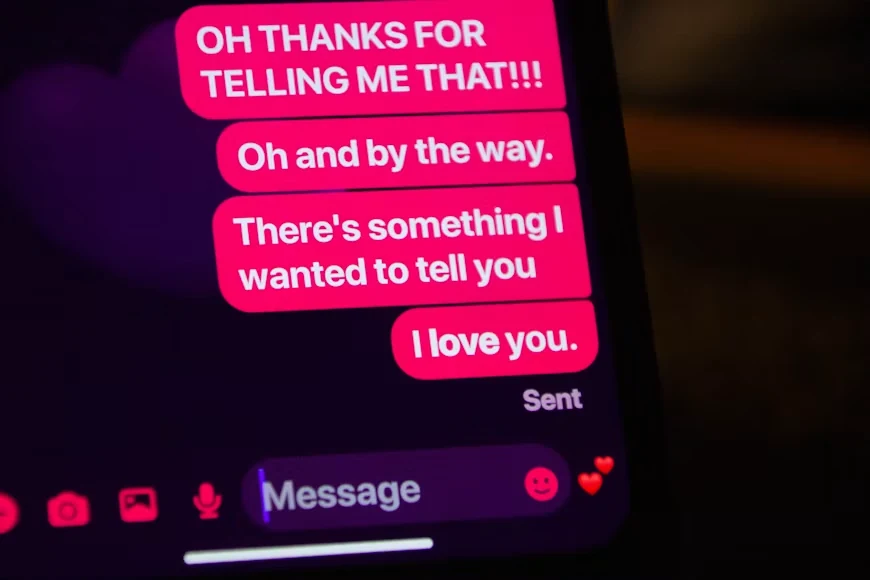
Unfortunately, many lonely or widowed elderly people fall victim to sweetheart scams every year. In this very common scam that targets seniors, scammers pose as love interests online. They form a relationship with the victim virtually, expressing their love…and then ask for money.
Since the relationship is already established and the victim sees this person as a boyfriend or girlfriend, they often send the cash. By the time a family member intervenes or the elderly person realizes their paramour is a fake, it is very difficult to get the money back. Often the amount of money sent can total thousands of dollars.
What to do: If you meet someone online, find out whether they are who they say they are. A red flag is if an online friend doesn't want to meet in person or use video chat. If you think a loved one has fallen victim to this senior scam, be empathetic and try to ask more questions.
A power of attorney can grant you easier access to their accounts so you can regularly check for anything suspicious.
3. Grandparent Scams
Another popular elder scam is the grandparent scam, where an imposter calls pretending to be the victim’s grandchild or someone holding the grandchild hostage. They demand a ransom in return for the grandchild being let go.
Often, the grandparent immediately transfers the money to make sure their grandchild is safe before they realize it was a scam. Reports have found this scam makes the most money on average for the scammer—nearly $9,000.
What to do: If you receive a call like this, first try to stay calm. While the thought of a grandchild being in trouble is frightening, it is important to confirm the situation. Before you send any money, call the grandchild or the parent directly to confirm whether they are in trouble.
If you discover that the call is just another senior scam, report the phone number to your local police. If you do send money and later discover the fraud, file a police report.
4. Phishing and Telemarketing Scams

More generally, elderly people often fall victim to phishing and telemarketing scams. Whether by email or phone, these scams usually ask victims to share personal information such as their name, address, birthdate, banking information, and more.
The scammers can then use this information to impersonate the victim or steal funds. Elderly people who are not comfortable with computers may be quick to click malicious links that download malware or expose information.
What to do: If you receive a phone call asking for personal information, think twice before sharing.
If you are unsure, hang up and call the institution directly. When using email, do not click on any links or open attachments in an unsolicited email. Even if you think you know the sender, think twice before you click.
If you’re concerned about a loved one being scammed, teach them about scams that target seniors and how to avoid identity theft, such as by checking emails for fraudulent links.
Stay Safe
The first step in protecting yourself is understanding that senior scams exist. Awareness helps you think twice before acting on a phone call or email. If you believe you may be a victim of an elder scam, confide in a family member or friend you trust. Contact your local law enforcement as well. Remember, these scams are designed to trick you, so do not be embarrassed.
If you care for a loved one you think may have been scammed, approach the topic calmly and with understanding. The victim may feel defensive or embarrassed, so be mindful. Again, contact law enforcement and the victim’s bank if any money was moved. Be sure to share common scams with them as a preventative measure.
Work With Fero Financial
Fero Financial helps seniors take proactive steps to protect their money and personal information from scams and identity theft. Our team of financial planners works closely with seniors to identify suspicious transactions, understand their financial options, and create practical safeguards that can reduce their exposure to fraud.
By partnering with Fero Financial, seniors and their families can feel more confident knowing they have a trusted partner protecting their financial well-being. Contact our team today for financial planning services and help with installing identity protection measures for seniors.
FAQs
Why do scammers target seniors?
Because they know that seniors have accumulated resources in the form of savings, retirement funds, investments, or other valuable assets. Scammers take advantage of seniors’ trust, unfamiliarity with particular technologies, and social isolation.
What other common scams should seniors be aware of?
Besides Medicare and health insurance scams, Social Security scams, romance scams, phishing scams, and grandparent scams, seniors should also be wary of tech support scams, lottery scams, and fraudulent telemarketing calls.
What are the warning signs of an elder scam?
Be on the lookout for:
-
Unexpected requests for money or personal information
-
Promises of guaranteed returns
-
Pressure to act immediately
-
Requests for gift cards or wire transfers
-
Suspicious links
-
Someone claiming to represent a financial institution or government agency
How can seniors protect themselves from financial scams?
Simple precautions can go a long way. Seniors can:
-
Verify unexpected requests
-
Use different strong passwords
-
Avoid suspicious links
-
Regularly review bank and credit activity
-
Consult a trusted person before acting on unusual financial requests
How can seniors protect their personal information from identity theft?
Seniors ought to limit the number of people who can access their sensitive information such as passwords, Social Security numbers, account numbers, and Medicare information. Regularly reviewing credit reports and financial statements can also help identify suspicious activity early.
How does identity theft affect seniors financially?
Identity theft can have serious financial consequences, including unauthorized withdrawals, stolen benefits, credit damage, and other losses. Restoring your identity after theft is tedious and can take time, often requiring you to work with banks, lenders, and credit reporting agencies.
What is identity theft protection for seniors?
Identity theft protection for seniors includes practical steps and services that can help prevent, identify, and address the misuse of personal or financial information. These measures can include monitoring financial accounts and credit reports, using strong passwords, and setting up fraud alerts. Fero Financial can help seniors implement strong personal data protection measures. Call us.